Buying in Woodcliff Lake is exciting, but the process can feel complex if you are new to New Jersey contracts, lakefront rules, or higher local taxes. You want a home you love and a plan that protects you from surprises. This guide walks you through each step specific to Woodcliff Lake so you can compete confidently, manage costs, and close on time. Let’s dive in.
60‑second primer: What to expect
- Prices: Typical sales run about $1.2M to $1.5M for many homes, with higher prices for lake‑edge or larger lots. Recent figures show an average near $1.23M for 2025 and a median near $1.5M as of Jan 2026. See the state’s averages and current market pages for context (NJ Treasury 2025, Redfin market snapshot, Realtor.com local trends).
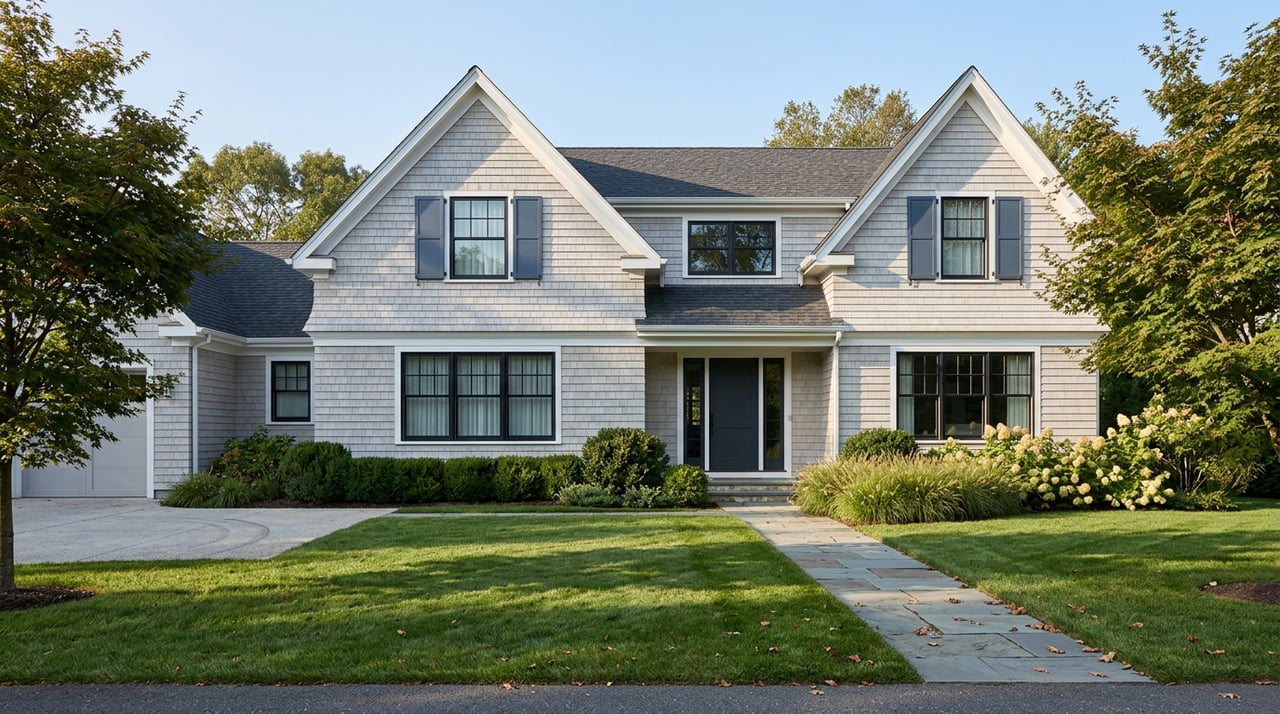
- Homes: Mostly single‑family colonials, split‑levels, and ranches, plus a small pool of reservoir‑adjacent properties and some townhomes or condos nearby.
- Taxes: Woodcliff Lake’s average residential tax bill is materially above state averages. The 2025 figure is around $20,637 (NJ Treasury). Always verify the specific property’s tax history.
- Timing: Mortgage purchases often close in about 30 to 45 days when the lender and file are prepared (SoFi timeline guide).
- Special factor: The Woodcliff Lake Reservoir shapes local rules, setbacks, and flood considerations. Check FEMA flood maps early (FEMA FIRM panels).
Step 1: Get financially ready and pre‑approved
Start with a full lender pre‑approval, not just a quick pre‑qualification. A true pre‑approval reviews your income, assets, and credit with documentation. Some lenders can go further with a pre‑underwritten file, which may remove major conditions and make your offer stand out in competitive situations.
Ask your lender about timelines, appraisal turn times, and what they need from you to hit a 30 to 45 day closing window (industry averages). Keep your financial documents organized so you can respond quickly.
Agent value: A local buyer’s agent can introduce lenders known for reliable 30 to 45 day closings, coordinate your pre‑approval letter for each offer, and answer listing agents’ questions to build seller confidence.
Step 2: Target the right homes and tour smart
Woodcliff Lake inventory is often tight. Focus your search criteria before you start touring so you can move fast when the right home appears.
Lake‑edge vs. broader borough areas
Homes near the Woodcliff Lake Reservoir can involve shoreline setbacks, special siting, and possible flood‑hazard proximity. Before you fall in love with a waterfront view, check access rights, easements, municipal ordinances, and FEMA flood zones for the exact lot. Use the FEMA Flood Insurance Rate Map panels to verify any Special Flood Hazard Area designation (FEMA FIRM panels). If a regulated lender’s flood determination puts the home in an SFHA, flood insurance will be required.
Pricing accuracy with local comps
Because a few high‑value lake properties can skew averages, rely on a local comparative market analysis rather than national estimates. Ask for recent sold comps within the same micro‑area and with similar condition, size, and lot characteristics.
Agent value: A hands‑on agent filters out listings with higher flood risk, notes septic vs. municipal sewer, flags HOA rules for condos or townhomes, and requests disclosures that save you time.
Step 3: Craft a competitive offer
A strong offer in Woodcliff Lake usually includes:
- A signed New Jersey contract form (often NJAR or similar)
- Your current lender pre‑approval letter
- Earnest money deposit (commonly 1% to 3% of price; higher in some luxury or very competitive cases) (earnest money norms)
- Target closing and possession dates
- Contingencies for inspection, financing, appraisal, and title
In New Jersey, some buyers make a smaller initial good‑faith deposit with the offer, then submit a larger earnest deposit within a few days of acceptance. You can also consider escalation clauses, larger deposits, appraisal‑gap language, or shorter contingency windows to be more competitive. Each tactic has tradeoffs. Avoid waiving key protections unless you fully understand the risk.
Agent value: Your agent will gauge what the seller is likely to accept, size the earnest money appropriately, draft escalation language correctly, and right‑size your contingency timelines to stay protected while staying competitive.
Step 4: Attorney review and escrow after acceptance
Once your offer is accepted, New Jersey’s standard residential contract includes a three business day attorney review period. During this time, each party’s attorney can approve, disapprove, or propose changes to the contract. The period can reset if lawyers exchange changes. This is a routine New Jersey step and is different from states that do not automatically include attorney review (NJ attorney‑review overview).
Confirm where your earnest money is held. In New Jersey, the escrow holder may be the brokerage, the title company, or an attorney trust account. Make sure the deposit deadlines and instructions are clear in writing.
Agent value: Your agent coordinates documents with your attorney, tracks deposit dates, and helps manage any contract language updates.
Step 5: Inspections and due diligence
Plan your inspection window carefully. Seven to fourteen days is common, but sellers sometimes prefer shorter timelines in a hot market. Typical buyer inspections and checks include:
- General home inspection for structure, roof, and systems
- Wood‑destroying insect inspection (often required by lenders)
- Radon testing, which the EPA recommends in New Jersey due to regional potential (EPA radon guidance)
- Oil‑tank sweep for older homes
- Septic and well inspections if the home is not on municipal services
- Chimney, pool, driveway, and property survey as needed
Your negotiation options after inspections include seller repairs, a price credit, a price reduction, or, if allowed by your contingency, cancellation. Focus on safety, structure, and system issues first.
Agent value: Your agent schedules inspectors quickly, helps interpret findings, brings in contractors for repair estimates, and negotiates repair or credit language that protects you.
Step 6: Appraisal, underwriting, and staying on track
If you are financing, your lender orders the appraisal. If the appraisal comes in below your contract price, you have choices. You can bring additional cash to close, request a price adjustment, or structure your offer with appraisal‑gap language that sets clear expectations. Coordinate closely with your lender and agent.
As underwriting wraps up, your lender will issue a clear‑to‑close. By federal rule, you receive a Closing Disclosure at least three business days before closing. Responsive document delivery and a proactive lender are key to hitting a 30 to 45 day target (typical timelines).
Agent value: Your agent tracks title work, follows up on lender conditions, and keeps all parties on deadline to avoid last‑minute delays.
Step 7: Closing costs, title insurance, and county fees
Plan for buyer closing costs and prepaids of roughly 2% to 5% of the purchase price in New Jersey, not including your down payment. Common line items include lender fees, appraisal, title insurance, recording fees, and prepaid escrows for taxes and insurance (NJ buyer closing‑cost overview). In New Jersey, you will buy a lender’s title policy if you finance, and many buyers also purchase an owner’s policy. Title premiums follow regulated state rate tables, and who pays for the owner’s policy can be negotiable.
For exact county charges, review Bergen County’s deed and mortgage recording fee schedules, which list first‑page and per‑page fees that can change over time (Bergen County Clerk fee schedule).
Property taxes are prorated at closing. The seller typically pays taxes up to the day of closing, and you take over from there. Because assessments and bills can shift, request the seller’s current and prior tax bills and confirm escrow needs with your lender. The state’s 2025 averages show Woodcliff Lake’s average residential tax bill around $20,637 for context (NJ Treasury).
NJ transfer fees on higher‑priced homes
New Jersey collects a Realty Transfer Fee when the deed is recorded. For residential transfers above $1,000,000, the state also imposes a graduated percent fee. Since mid‑2025 changes, this graduated fee is the seller’s responsibility. The rate is 1% for the $1M to $2M tier, with higher tiers above that. Always confirm the full calculation at contract stage, since the standard RTF applies too and both sets of fees are date‑sensitive (NJ Division of Taxation guidance).
Example: On a $1,300,000 Woodcliff Lake sale, the graduated percent fee at 1% would be $13,000, paid by the seller, in addition to the standard RTF. Buyers should understand this cost because it can influence negotiations and the seller’s bottom line.
Timeline, walk‑through, and closing day
Plan a final walk‑through 24 to 48 hours before closing to confirm the home’s condition and agreed‑upon repairs. On closing day in New Jersey, you will typically see your attorney, the seller and their attorney, and a title or closing agent. Bring a government ID, proof of funds for closing, and any lender‑required documents. Your keys are released after funding and recording.
Agent value: Your agent confirms municipal certificates, coordinates title and payoff letters, and problem‑solves so you can finish smoothly.
Quick checklists you can use
Before you make an offer
- Get a full lender pre‑approval and ask about pre‑underwriting
- Decide on an earnest money strategy, often 1% to 3% of price (guidance)
- Choose a real estate attorney now for New Jersey’s three business day review (attorney review overview)
- Ask your agent to prepare a local CMA so you do not overbid on a skewed average
Inspection package starter list
- General home inspection plus WDI (termite) and radon test (EPA guidance)
- Oil‑tank sweep for older homes
- Septic and well tests if the home is not on municipal services
- Chimney, pool, driveway, and survey as indicated by the property
Closing cost basics in NJ
- Plan for 2% to 5% of price for buyer closing costs, excluding your down payment (NJ overview)
- Title insurance, lender fees, appraisal, recording, prepaid taxes and insurance, escrow reserves
- For exact county fees, consult the Bergen County Clerk’s schedule (fee schedule)
Smart red flags to check early
- Any FEMA SFHA designation or prior flood claims near the reservoir (FEMA FIRM panels)
- Undisclosed or unresolved oil tanks, open permits, or municipal violations
- Title liens or unusual deed restrictions
- Large gaps between list price and comparable solds in the same micro‑area
Need trusted local referrals? Ask for vetted lenders, inspectors, attorneys, and title companies. With a single point of contact guiding you end to end, you can focus on choosing the right home while the details are handled for you.
Ready to start your Woodcliff Lake home search with a hands‑on, Bergen County expert by your side? Schedule your free consult with Mindy Felixbrod.
FAQs
Who pays New Jersey’s transfer tax on $1M+ home sales?
- Under current state rules, the Realty Transfer Fee applies at recording and the graduated percent fee for sales above $1,000,000 is imposed on the seller. For example, the 1% tier on a $1.3M sale equals $13,000. Confirm exact calculations with your title company or attorney (NJ Division of Taxation).
How long from accepted offer to closing in Woodcliff Lake?
- Many mortgage‑backed purchases close in about 30 to 45 days when the lender and file are prepared. Cash deals can be faster. Build in time for appraisal, attorney review, and inspections, and keep funds ready for prepaids and escrows (timeline overview).
How much earnest money should I plan to put down?
- A common range is 1% to 3% of the purchase price, with higher amounts in very competitive or luxury situations. In New Jersey, you may submit a smaller initial deposit with a larger follow‑up deposit after acceptance. Align with your agent and attorney on strategy (earnest money basics).
Do I need a real estate attorney to buy in New Jersey?
- While representation varies, a licensed real estate attorney is strongly recommended. New Jersey’s standard contract includes a three business day attorney review period, and counsel helps manage contract changes, title issues, and closing details (attorney review explained).