If you want Bergen County living with more space, more greenery, and a quieter day-to-day feel, Oakland may already be on your shortlist. For many buyers, the biggest question is not just what homes cost, but what life actually feels like once you move in. This guide will walk you through Oakland’s housing, commute patterns, outdoor access, and community feel so you can decide whether it matches the lifestyle you want. Let’s dive in.
Oakland feels established and residential
Oakland is a Bergen County borough of about 8.5 square miles, with a 2025 population estimate of 12,837. The numbers point to a settled, residential community rather than a fast-turnover market. About 92.9% of housing units are owner-occupied, and the borough has a broad age mix, including 22.0% of residents under 18 and 17.5% age 65 or older.
That mix often appeals to buyers looking for a town with long-term roots. Oakland also has a median household income of $162,019, a median owner-occupied home value of $591,300, and a mean commute of 29.5 minutes. More than half of adults, 56.8%, hold a bachelor’s degree or higher, which adds to the town’s stable, established profile.
Housing in Oakland NJ
Detached homes define the market
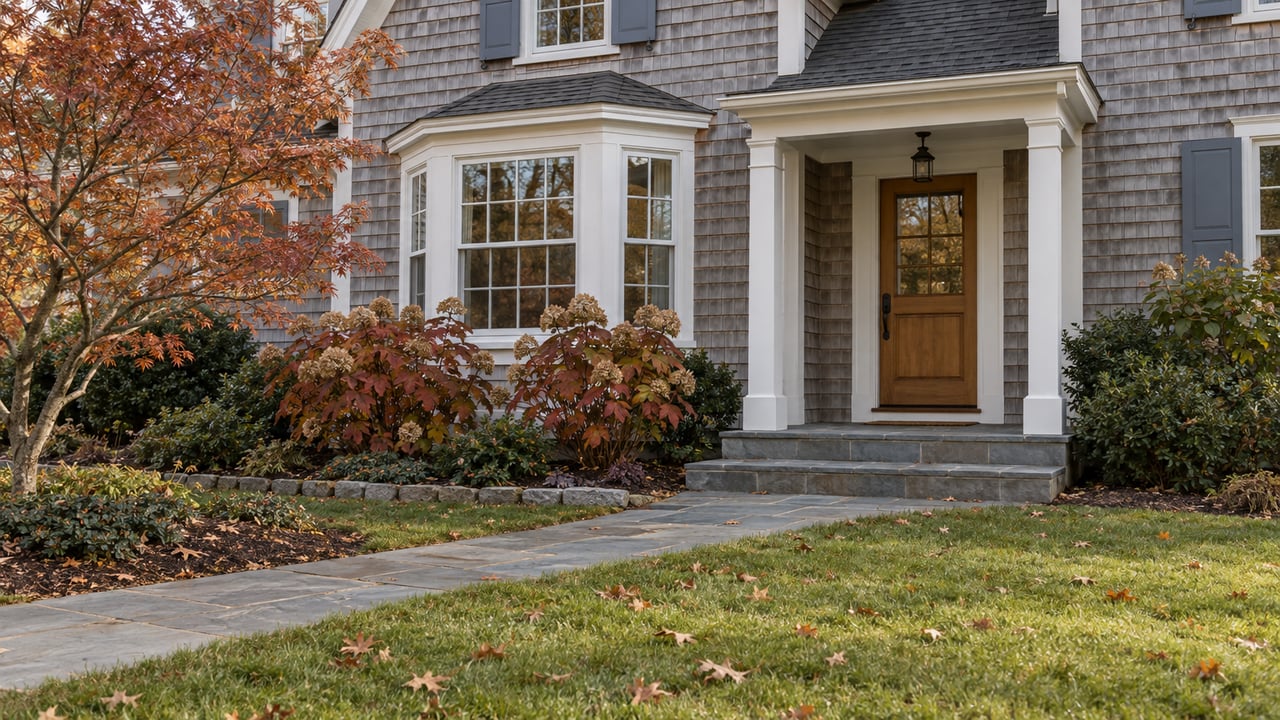
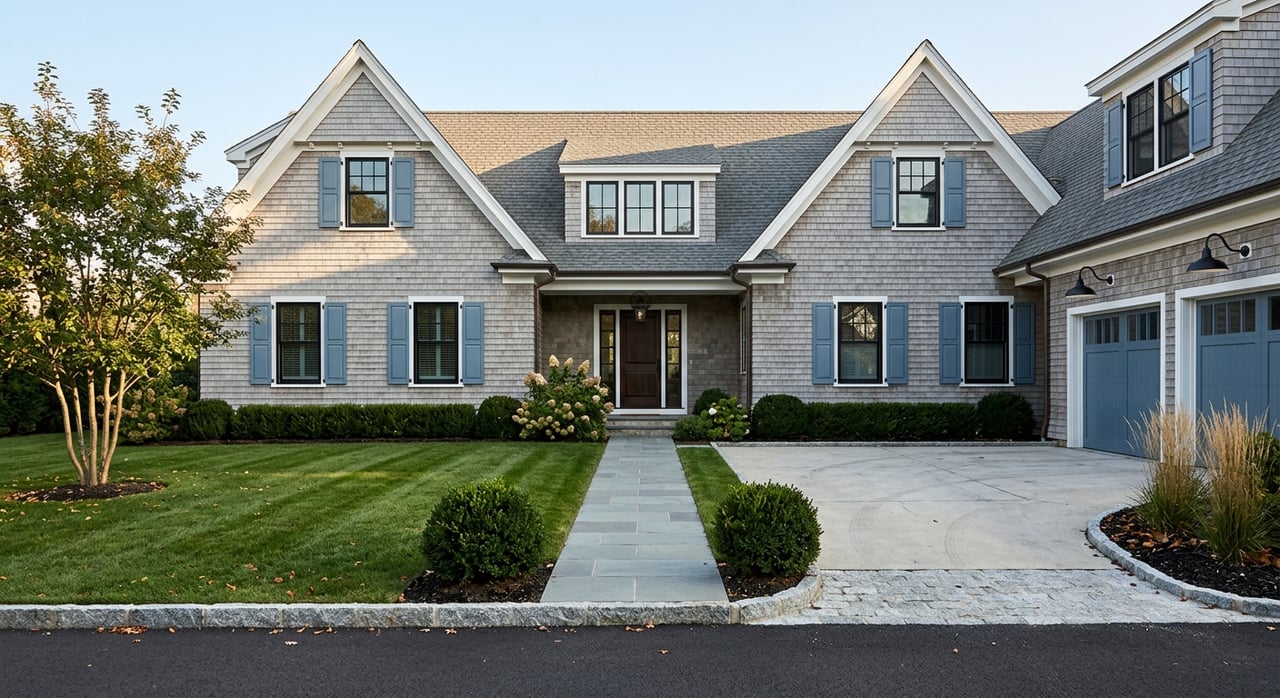
If you picture Oakland as a town of detached homes on residential streets, that picture is mostly accurate. According to the borough’s 2016 master plan reexamination, 94.8% of year-round housing units were single-family detached. Only small shares were attached homes, duplexes, or larger multifamily buildings.
That matters when you are comparing Oakland with denser Bergen County towns. In Oakland, the housing stock leans heavily toward traditional suburban homes rather than a mix of apartments, townhome clusters, and large condo developments. If your goal is a single-family home with a more spread-out feel, Oakland stands out.
Growth is limited
Another important part of living in Oakland is that it is largely built out. The borough’s planning documents say Oakland was fully developed, had little vacant land, and saw no new residential lots created between 2004 and 2014. Future growth was expected to stay slow, in part because many areas still rely on septic systems.
For buyers, that can mean a more consistent neighborhood pattern over time. You are generally buying into an established housing environment, not a town expecting major waves of new residential construction. For sellers, that limited growth can also support the appeal of existing homes in a town with relatively constrained supply.
Older-home details may matter
Oakland’s borough history and local paperwork also suggest that buyers should pay attention to practical property details, especially with older homes. The borough notes that occupancy paperwork centers on single- and two-family homes, and sellers are told to confirm septic conditions before listing.
That does not make Oakland unusual for this part of North Jersey, but it does mean due diligence matters. If you are considering a home here, it helps to understand the property’s systems, age, and maintenance history early in the process.
Daily life is shaped by nature
Outdoor access is a major perk
One of Oakland’s defining lifestyle advantages is how close you are to significant open space. The borough sits in the New Jersey Highlands, which local planning documents describe as a green belt with forests, streams, and river valleys. That natural setting is not just background scenery. It is part of everyday life.
For many residents, easy access to trails, lakes, and wooded areas is a major reason to choose Oakland over a more built-up suburb. If you like getting outside before work, on weekends, or with visiting friends and family, Oakland offers a lot without needing a long drive.
Major parks are nearby
Oakland is home to Ramapo Mountain State Forest at 67 Skyline Drive, where you can find hiking, mountain biking, fishing, birdwatching, and Ramapo Lake. Nearby, Ramapo Valley County Reservation offers more than 4,000 acres and is Bergen County’s largest park area. Campgaw Mountain Reservation adds hiking, archery, skiing, snowboarding, snow tubing, and camping.
That range of options gives Oakland a lifestyle edge for buyers who want more than sidewalks and a small playground. The outdoor experience here is broader and more immersive than what you find in many suburban towns.
Local civic spaces add balance
Oakland also has smaller community-oriented spaces that support daily life. Great Oak Park is a 40-acre passive recreation park, and borough communications announced a 2026 summer concert series there. The Oakland Community Garden, located behind Borough Hall near Valley Middle School, offers ADA plots, water on site, and gardening classes.
These spaces help round out the town’s personality. You get the benefit of large-scale natural areas, but also smaller places that support simple local routines and community connection.
The town center is practical, not urban
Oakland’s commercial core is more corridor-based than downtown-centered. The borough’s Central Business District Plan focused on the Ramapo Valley Road corridor and aimed to create a more pedestrian-friendly business area. In practical terms, that means your errands, services, and local shopping are tied more to a roadway commercial strip than to a dense walkable downtown.
For some buyers, that is a plus because it keeps daily life simple and accessible by car. For others, especially if you want a lively main street with tightly packed shops and restaurants, Oakland may feel quieter and less urban. It is important to know which setting fits your routine best.
Commuting in Oakland NJ
Driving is still the norm
Oakland is not a town where most daily life revolves around walking or rail access. The borough’s master plan says residents are overly dependent on private automobiles and calls for safer, more efficient multi-modal circulation. That tells you a lot about how the town functions on a day-to-day basis.
If you move to Oakland, you should expect driving to be part of your routine for commuting, errands, and activities. For many buyers, that tradeoff is worth it because of the larger homes, lower-density setting, and strong access to nature.
Transit exists, but it is not the center of life
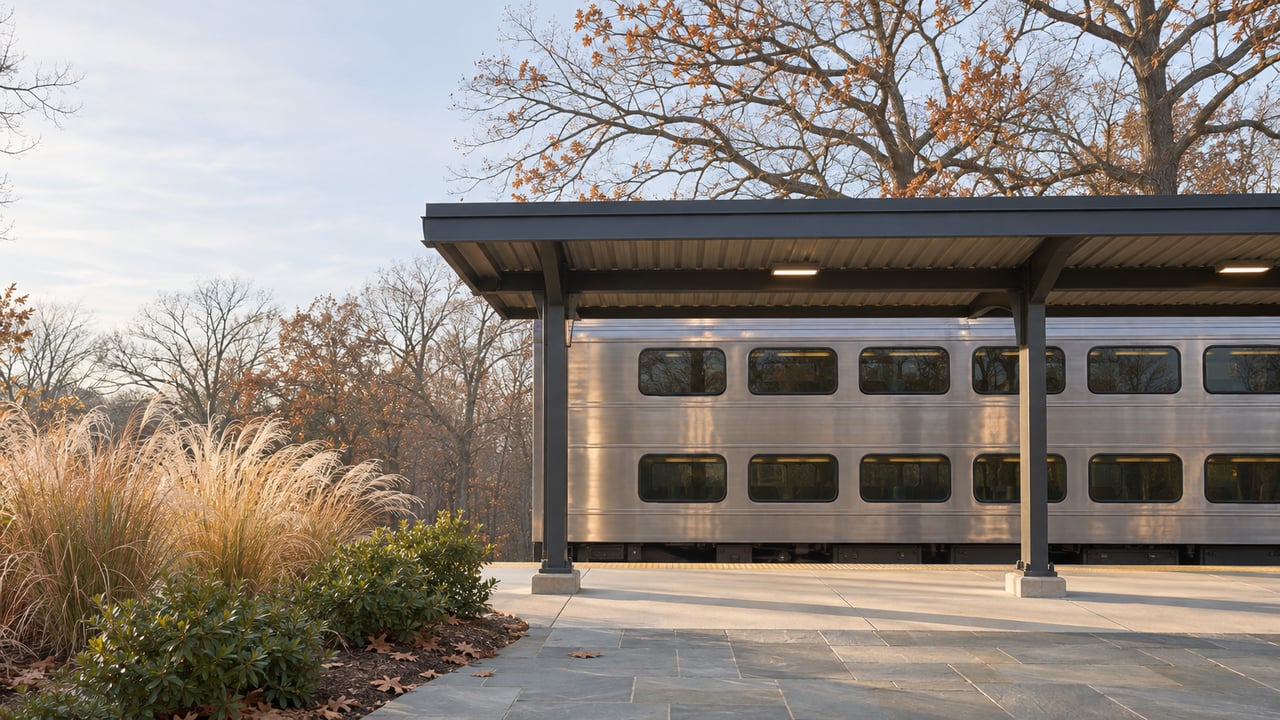
NJ TRANSIT’s Oakland-Hackensack Route 752 appears on the Ridgewood Station area map, so transit options are available. Still, the overall picture from local planning documents is that Oakland remains car-oriented.
That does not mean commuting is difficult for everyone. It means you should evaluate Oakland based on your own work pattern and tolerance for driving, rather than assuming a transit-first lifestyle.
Community life in Oakland
Civic events are part of the experience
For a town of its size, Oakland offers a solid community calendar. The Public Events Committee runs the Easter Egg Hunt, Borough Carnival, Halloween Parade, and Christmas Tree and Menorah Lighting Ceremony. Borough communications have also highlighted a 2026 Summer Concert Series at Great Oak Park.
These events help give the town a recognizable rhythm throughout the year. If you want a place where local traditions still play a visible role in community life, Oakland checks that box.
Local resources support different stages of life
Oakland also offers town-based resources that can matter over time. Oakland Public Schools includes Dogwood Hill, Heights, Manito, and Valley Middle School, while Indian Hills High School serves grades 9 through 12. The borough-run Senior Center, in operation since 1991, offers a book club, in-house library, exercise and social programming, and transportation help for local trips and some medical appointments through Bergen County services.
That range of services adds to the town’s practical appeal. It suggests a community built for long-term living, not just short-term convenience.
Who Oakland may suit best
Oakland may be a strong fit if you want:
- A mostly single-family home market
- An established suburban setting
- Easy access to major parks and outdoor recreation
- A community with seasonal local events
- A lower-density feel than more built-up Bergen County towns
Oakland may be less ideal if you want:
- A dense, walkable downtown lifestyle
- A housing market with many multifamily options
- A routine that depends on transit more than driving
- Significant new construction choices within town
What living in Oakland really feels like
Living in Oakland feels more residential than commercial, more green than dense, and more established than fast-changing. The housing stock is dominated by detached homes, the landscape is shaped by open space, and the day-to-day rhythm leans practical and car-based. For many buyers, that combination is exactly the appeal.
If you are searching in Bergen County and want a town where nature is part of your routine and neighborhoods feel settled, Oakland is worth a serious look. And if you are preparing to buy or sell here, having local guidance can make it much easier to understand which homes, streets, and property details best fit your goals.
If you are thinking about buying or selling in Oakland or nearby Bergen County towns, Mindy Felixbrod can help you navigate the market with local insight, hands-on guidance, and personalized support from start to close.
FAQs
What is the housing style like in Oakland, NJ?
- Oakland’s housing stock is primarily detached single-family homes, with very limited attached or multifamily housing according to the borough’s master plan.
Is Oakland, NJ a good fit if you want outdoor recreation?
- Yes. Oakland is close to Ramapo Mountain State Forest, Ramapo Valley County Reservation, Campgaw Mountain Reservation, Great Oak Park, and the Oakland Community Garden.
Is Oakland, NJ walkable for everyday errands?
- Oakland’s commercial areas are more corridor-based than downtown-centered, and local planning documents show that daily life is still largely car-oriented.
What is the community feel like in Oakland, NJ?
- Oakland has a settled suburban feel with strong owner-occupancy, established neighborhoods, and a civic calendar that includes events like the Borough Carnival, Halloween Parade, and seasonal lighting ceremonies.
Are there many new homes being built in Oakland, NJ?
- Oakland is largely built out, with little vacant land and slow expected future growth, so buyers should expect an established housing market rather than large-scale new development.
What should buyers know about older homes in Oakland, NJ?
- Because Oakland has many established homes and some areas rely on septic systems, buyers should pay close attention to property condition, system history, and septic-related details during due diligence.